Introduction:
As parents, we all want our children to grow into confident, independent, and capable human beings. But this doesn’t happen overnight it begins with building responsibility in a child through small, everyday habits. Responsibility is not just about finishing chores; it’s about developing discipline, decision-making, empathy, and ownership over their actions.
When we consistently guide our children, allow them to try, fail, learn, and try again, we are teaching them life skills that last far beyond childhood. And the beautiful part is responsibility can be taught in simple moments: getting ready for school, caring for their things, helping at home, or making choices.
In this article, I’m going to walk you through practical, real-life ways to nurture responsibility in your child without overwhelm, without pressure, and without perfection. Just gentle, intentional parenting that builds strong habits for life.
1. Stop Being the Alarm Clock!
One powerful way to build responsibility in a child is by teaching them to take charge of their own mornings. When we constantly wake them up, remind them to hurry, and keep pushing them through every step, they never learn how to manage their time.
Instead, try shifting the responsibility slowly to them:
- Encourage your child to set their own alarm on a clock.
- Let them choose the time they need to wake up (with your guidance).
- Reduce reminders little by little.
- If they run late once or twice, let them experience the natural consequence.
It means stepping back enough so they can step forward. And that is exactly how responsibility begins with small wins that make them think, “I can do this on my own.”
2. Prepare for School Independently
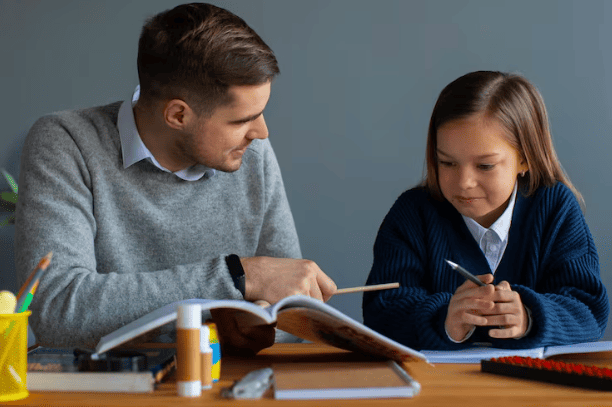
A big part of how you build responsibility in a child is by teaching them to prepare for school without relying on constant reminders. When kids handle their own school preparations, they start understanding planning, time management, and accountability.
Explain to them why preparation matters:
“Packing your bag the night before helps your morning feel calm and smooth.”
Then guide them step-by-step:
1. Show them how to check their timetable and gather books, homework, and stationery. Do it together the first few times, then let them do it while you supervise from a distance.
2. Let them select their uniform or clothes for the next day. This small choice builds decision-making skills and reduces morning chaos.
3. Encourage them to open their school diary. If something is missing, let them find the solution with your support.
4. Ask them to make a checklist of the things they need to pack there school bag and tell your child to tick the points in the list as they fullfit it.
These are the few powerful steps that you could take to teach your child. When children take ownership of these daily tasks, they begin to understand that their actions have consequences. Forgetting a notebook, or skipping homework naturally teaches them to be more responsible the next time. This simple routine builds long-term habits and boosts confidence. And the best part? You’ll notice mornings becoming smoother for everyone.
3. Involve Them in Making Home Decisions
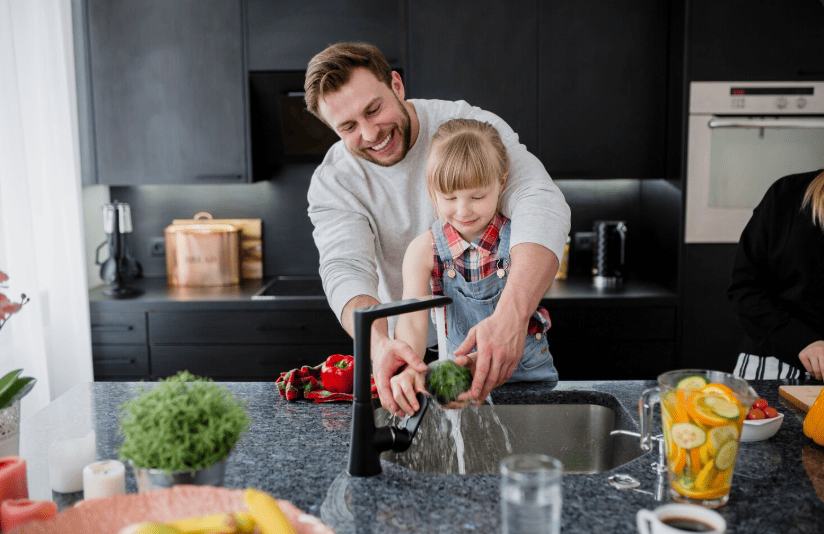
Involving them into small family decisions or asking them for suggestions will help them understand how the house works. These kinds of approaches make them feel like a responsible person, and if something they suggest isn’t right, you get a chance to guide them and explain why.
This naturally builds awareness, confidence, and ownership. They start seeing themselves as an important part of the home rather than someone who is only being told what to do. And slowly, they begin to take responsibility for their choices because they were involved in making them.
4. Give Them a Life to Care For
Giving your child the responsibility of caring for a pet is a strong and practical way to help them understand what responsibility really means. Show them how to feed at a certain time, brushing, or giving fresh water. When a child knows that a pet needs food, water, attention, and care every single day, they naturally become more aware, consistent, and gentle in their actions.
Start with simple, age-appropriate tasks. They can refill the pet’s water bowl, give food at a certain time, help with brushing, or remind you when it’s time for a walk or cleaning. These small routines show them that responsibility isn’t a one-time effort, it’s something they handle regularly. Caring for a pet makes children feel trusted and important. It teaches them empathy, patience, and the understanding that someone else is depending on them. This kind of responsibility stays with them for life.
5. Donating Food or Clothes
Teaching your child to donate food or clothes is a beautiful way to show them what responsibility looks like beyond the home. It helps them understand that their actions can make a real difference in someone else’s life. This builds empathy, awareness, and a sense of social responsibility.
Ask your child to look through their cupboard and find clothes they’ve outgrown. Let them choose which items still look good and can help another child. The decision-making part is important it makes them feel involved and not forced. When you buy groceries, let them pick one or two food items to donate. Explain why you’re doing it: “There are families who might not have enough today. What we give can help them.”
If possible, take them along when you drop the donations off. Seeing the process helps them understand the impact of their actions. This teaches them about caring for others and being aware of the world around them. It shapes their character quietly and naturally.
6. Give Them a Few Dollars
Giving your child a small amount of money to manage teaches them a different but very important side of responsibility, handling resources wisely. When children have their own little amount to spend or save, they start understanding value, choices, and consequences. Start with a small weekly amount that matches their age and needs. Explain that this money is theirs to manage, but guide them gently on how to use it. You can teach simple habits like: saving a part of it, using some for small things they want, for donating, etc.
Let them make decisions. If they spend all their money at once and regret it later, don’t rescue them immediately. That natural experience teaches more than any lecture. You can also involve them when you go shopping. Ask them to calculate prices, compare items, or decide if something is worth buying. These small, real-life choices truly help build responsibility in a child, because they learn to think before spending and understand the value of planning.
7. Allow Them to Face Natural Consequences
Sometimes the best way to build responsibility in a child is to let them face the natural results of their own actions. When they forget something, delay a task, or make a small mistake, avoid stepping in immediately to fix it for them.
- If they forget their water bottle, let them feel a little thirsty for a while.
- If they leave a toy outside and it gets dirty, let them be the one to clean it.
- If they don’t finish homework on time, let them handle the teacher’s response.
These small experiences teach big lessons. Children become more alert, more mindful, and more responsible when they understand that every choice has a consequence. And you don’t need to scold or lecture, life itself becomes the teacher.
8 Don’t Label Your Child
Labels stick to children more deeply than we imagine. When a child repeatedly hears words like “lazy,” “careless,” or “naughty,” their brain slowly begins to accept these messages as truth. And once a negative label settles in, it becomes difficult to undo because the child stops putting in effort. They begin to believe, “This is just who I am,” instead of seeing room to grow. They feel judged, not guided.
Instead of saying:
“Why are you so lazy?”
Say:
“It looks like you’re finding it hard to start. Let’s break this into smaller steps.”
This simple change protects their confidence and teaches them that actions can be corrected.
What if your child won’t take responsibility?
Parents, let me tell you something straight, kids are not born responsible; they become responsible. So if your child avoids responsibility, blames others, or refuses to do simple tasks… don’t panic. It’s not a failure. It’s a signal. A signal that they need more guidance, structure, and consistency from us.
- Find out why your child is saying no, and talk about it. Maybe they don’t understand what you want, or they feel they can’t do it properly.
- Make the task smaller so it’s easy for them to handle on their own. (For example, ask them to clean their desk instead of their whole room.)
- Tell them clearly what you want them to do, show them how to do it, and give a time by when it should be done. (Like, “Please make your bed before breakfast.” Then show them how to make it.)
Related Parenting Articles You May Find Helpful:
1. 10 Life Lessons to Teach Kids
2. How to Teach Your Child to Solve Problems Calmly
3. Action – Part 3 of 3: The Pillars of Life Series